Marco Rubio, once known mainly as a Republican senator and occasional Trump rival

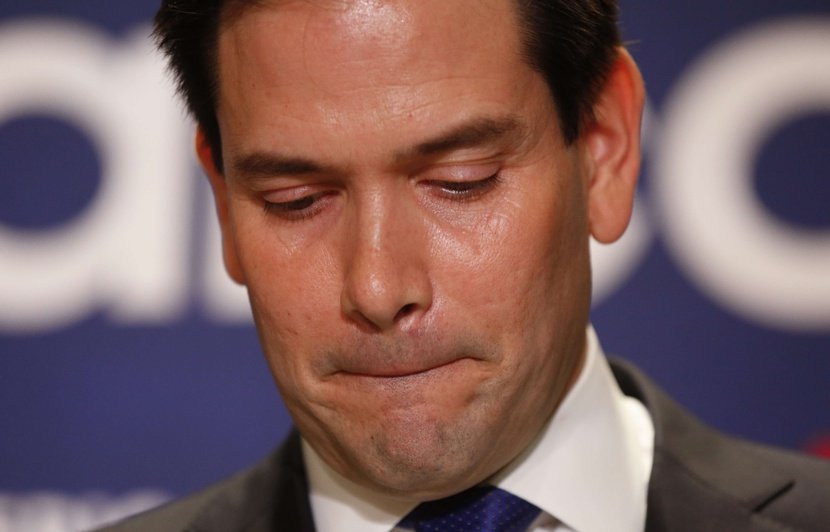
Rubio’s tenure will play a defining role in resolving, or at least clarifying, this conflict. If he chooses to open the process, publish detailed records, and subject his own office to meaningful scrutiny, he could demonstrate that reform and transparency are not mutually exclusive. Such an approach would not eliminate controversy, but it would allow the public to see how decisions are made and to evaluate them on their merits. Openness could transform the agency from a source of suspicion into a model for accountable governance, proving that even powerful review mechanisms can operate in the sunlight.
The alternative path carries far greater risks. If key decisions continue to disappear into opaque reviews, unexplained delays, and silent rejections, the public may only recognize the consequences after policies fail to materialize. In that scenario, Americans could come to understand too late that the most dangerous form of power is not the one exercised loudly or visibly, but the kind that operates quietly, beyond scrutiny, where no one is watching and no one is asked to answer for the outcome.
